Weekly Newsletter
Weekly Cotton Market Update – Week 16, 2026
Weekly Cotton Market Update – Week 17, 2026

Weekly Cotton Market Update – Week 16, 2026
A tariff refund window has opened in the US, but Indian exporters may not receive the money directly. At home, cotton prices are firming while mills face cost pressure and cautious demand. Here’s what happened this week in cotton:
US Duty Refunds May Not Reach Exporters:
US Customs and Border Protection opened its CAPE system on April 20, 2026 to process IEEPA duty refunds after reciprocal tariffs were struck down. The refund pool is close to $166 billion, with about $12 billion linked to Indian goods and about $4 billion tied to textiles and apparel. Refunds will go to US importers and customs brokers, not automatically to Indian exporters, and valid claims are expected in 60–90 days after acceptance, unless reviewed further. Cotton-linked textile exporters may recover value only through negotiations with buyers, suggesting cash-flow relief will be uneven.

Gujarat Cotton Prices Move Sharply Higher:
Gujarat cotton prices rose, with Shankar-6 reaching ₹60,500 per candy as of April 21, 2026, up 8.5 per cent from the previous month. Output for the season ending September 30 is projected at about 291 lakh bales, down 0.42 per cent from 2024–25, while mill consumption is forecast at 312 lakh bales versus 306 lakh bales earlier. The market is showing tighter availability just as textile demand improves, keeping mills alert on raw-material costs. Net-net, rising prices and higher consumption may keep the import-duty debate active.

Shahi Scales Low-Impact Cotton Pretreatment:
Shahi Exports is scaling Fibre52 cotton pretreatment across integrated knits operations, covering 3,000 tonnes of annual knit capacity. Trials began in early 2024 and progressed through 5MT, 20MT, and 100MT fabric trials, showing about 25 per cent lower water use and 49 per cent lower steam use. The technology removes caustic soda from pretreatment and uses approved chemistries, making cotton processing less resource-intensive. This suggests large exporters are turning sustainability into factory-level efficiency, not only farm-level claims.

South India Yarn Holds Amid Weak Demand:
South India’s cotton yarn markets stayed steady amid weak downstream demand and high cotton prices. Tiruppur and Mumbai yarn prices were stable, while West Bengal elections and seasonal migration created labour shortages across weaving, knitting, and garment units. Elevated cotton prices are discouraging fresh buying and raising concern about possible shifts toward non-cotton alternatives. That likely means mills may protect margins through cautious procurement until demand improves.
Cost Swings Cloud Textile Pricing:
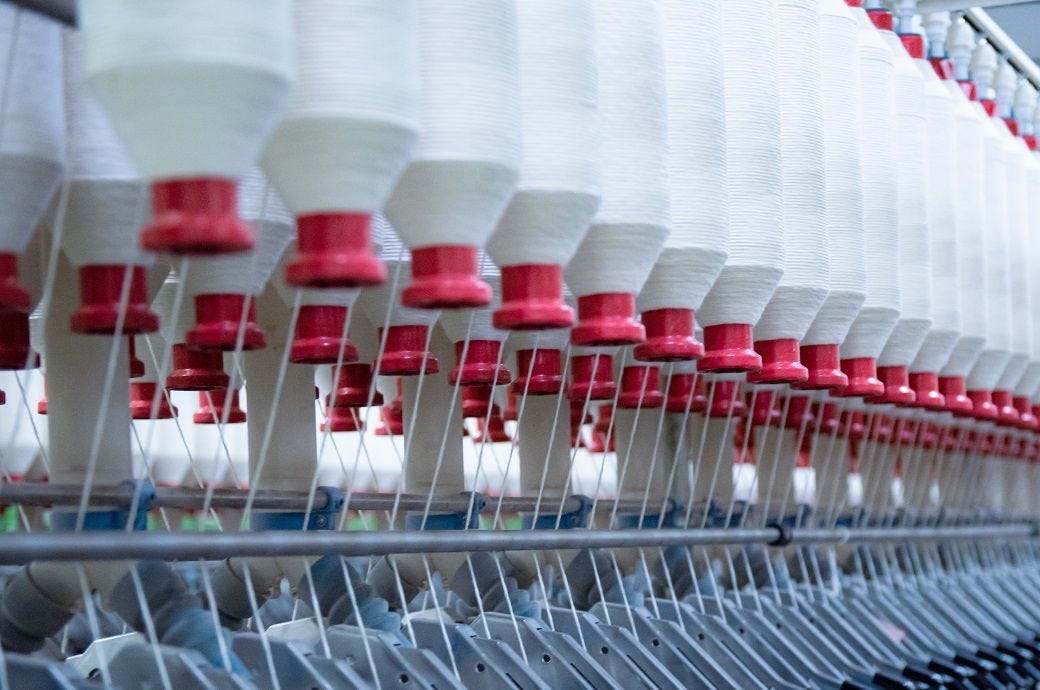
April 2026 saw sharp cost swings across raw materials, energy, and logistics, disrupting pricing visibility in the global textile industry. The visible preview cited geopolitics, supply shocks, uneven demand recovery, crude oil spikes, cotton rallies, freight surges, and cautious buying, but did not disclose usable exact figures. Cotton is one part of a wider cost squeeze, alongside energy and freight, making landed fabric and yarn pricing harder to lock. Expect buyers and mills to stay cautious where cost pass-through is uncertain.

© 2026 Cotton Guru. All Rights Reserved. | Designed by AdvertSneak Technology