Article
URJA Project: Transforming Cotton Stalk Waste into Bioenergy, Biochar, and Carbon Credits
Shri. Manish P. Daga, President & Coordinator of All India Cotton FPO Association, is a Textile Technologist and Marketing expert with over 33 years of experience in the Agro and Textile Industry. He is currently the Prime Farmer representative in Textile Advisory Group (TAG), formed jointly by Textile & Commerce Ministry, Agriculture Ministry and important stakeholders in cotton value chain. He is a Director of Cotton Association of India (CAI), Chairman of ICC Agro & Food Processing Committee and President of All India Cotton FPO Association. He is CEO of Cottonguru Maha FPO Federation and Managing Director of COTTONGURU® Group. He is a Managing Committee Member of Indian Fibre Society and Indian Society for Cotton Improvement. He is the first and only Indian to be registered as ‘Chartered Valuer’ specialising in cotton fibre, yarn and fabrics by the Institute of Valuers and Indian Institution of Valuers (India). He is also Editor of “COTTONGURU® Fortnightly Newsletter (published by Cottonguru Media)” which is circulated to over 10,000 textile companies, professionals, associations worldwide.
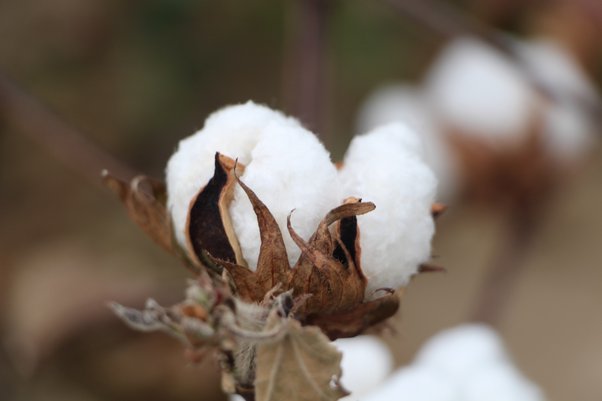
Cottonguru Textiles LLP, recognised as the 2024 recipient of the Envirocare Green Awards for Best Company Working for Climate Change and Environment, has embarked on an innovative venture aimed at addressing climate change, improving the livelihoods of tribal women and smallholder farmers, and promoting sustainable agricultural practices. The URJA Project, an initiative spearheaded by Cottonguru MahaFPO Federation, has set its sights on converting cotton stalks, a commonly burned agricultural residue, into valuable bioenergy products, biochar and carbon credits.
The Problem: Health and Environmental Hazards
Maharashtra, particularly the Yavatmal district, has witnessed rampant burning of agricultural residue, especially cotton stalks. This practice, often resorted to due to the lack of viable alternatives for waste disposal, is responsible for 27% of all unused agricultural residue burned in India. The environmental impact is severe, leading to high levels of air pollution, which contributes to a wide array of health problems, particularly among tribal women.
© 2026 Cotton Guru. All Rights Reserved. | Designed by AdvertSneak Technology